
The hydraulic cylinder is the muscle of your machinery. Whether it’s an excavator, a loader, or a manufacturing press, the entire system relies on this linear actuator to convert fluid power into mechanical force. However, even the most robust cylinders eventually succumb to wear, leaks, and pressure drops.
When performance declines, you face a critical decision: replace the entire unit or repair it?
In most cases, understanding the key hydraulic cylinder parts and having access to the right rebuild kits can save you thousands of dollars in downtime and replacement costs. This guide will walk you through the essential components of a hydraulic cylinder, how to choose the right replacement parts, and the tools you need to install them safely.
The Anatomy of a Hydraulic Cylinder
To maintain your equipment effectively, you must understand what goes on inside the barrel. A hydraulic cylinder is a precision-engineered assembly where every component plays a specific role in sealing pressure and directing force.
While the barrel (tube) and rod (shaft) are the most visible parts, the internal components determine the cylinder’s efficiency.
- The Barrel: Made from cold-drawn seamless tubes, the inner surface is honed to a micro-finish. This smoothness is crucial for seal longevity.
- The Rod: Typically made of high-strength carbon steel, the rod is chrome-plated to resist corrosion and wear.
- The Head (Gland): This part encloses the rod end of the cylinder and houses the rod seals and wipers.
The Heart of the System: Hydraulic Cylinder Piston
Deep inside the barrel lies the hydraulic cylinder piston. This is the component that separates the two pressure zones inside the barrel. It is attached to the rod and bears the brunt of the hydraulic force.
Why Piston Design Matters
A piston isn’t just a block of metal. High-quality pistons are machined from ductile iron or steel and feature specific grooves for seals and wear bands.
- Wear Bands (Guide Rings): These are critical. They prevent metal-to-metal contact between the piston and the cylinder wall. If these bands fail, the piston will score the barrel, leading to catastrophic failure.
- Sealing Capability: The piston seals must hold pressure without “drifting.” If you notice your boom dropping slowly when the machine is off, it is often a sign of a damaged piston seal causing internal leakage.
Reviving Your Equipment: Hydraulic Cylinder Rebuild Kits
/The most common maintenance task you will encounter is resealing. This is where hydraulic cylinder rebuild kits come into play. Buying the right kit is often the difference between a quick fix and a recurring nightmare.
What is Inside a Rebuild Kit?
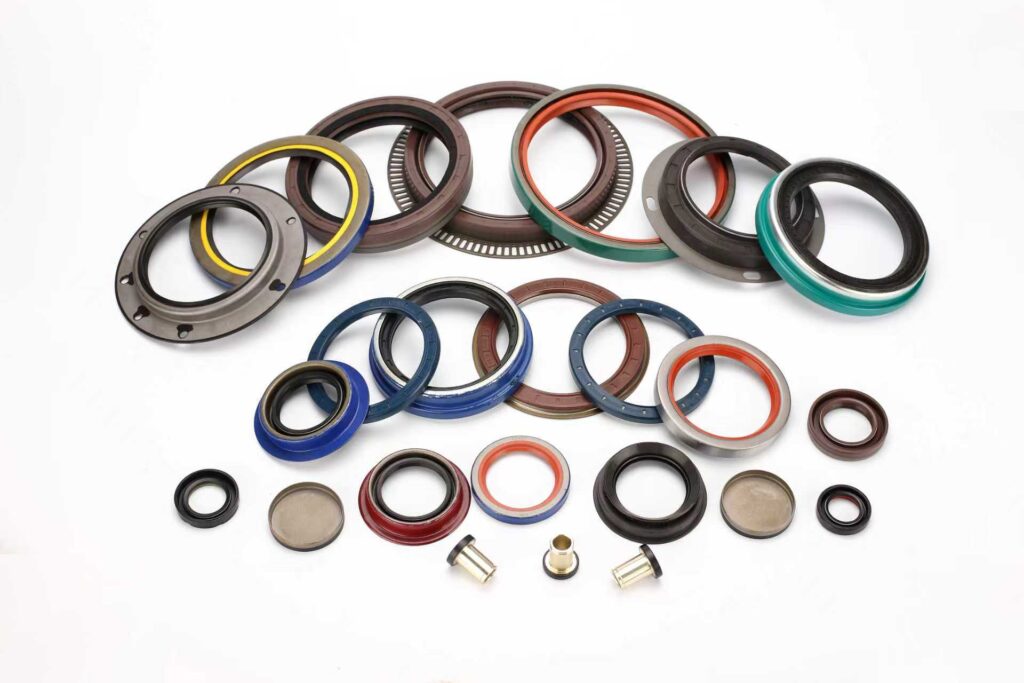
A comprehensive rebuild kit should include all the soft parts required for a complete overhaul:
- Piston Seals: To seal pressurized fluid between the piston and the bore.
- Rod Seals: To prevent fluid from leaking out of the cylinder past the rod.
- Rod Wipers (Scrapers): To scrape dirt, dust, and moisture off the rod as it retracts, preventing contamination.
- O-Rings and Backup Rings: For static sealing points.
Material Selection: Not All Seals Are Equal
When selecting hydraulic cylinder rebuild kits, pay attention to the material, which must match your operating environment:
- Polyurethane (PU): The industry standard for high abrasion resistance and high pressure. Excellent for construction equipment.
- Nitrile (NBR): Good for general-purpose petroleum-based fluids at standard temperatures.
- Viton (FKM): Essential if your equipment operates in extreme heat or uses synthetic hydraulic fluids.
Pro Tip: Always measure the old seals and the metal grooves (gland dimensions) if you don’t have the OEM part number. Even a discrepancy of 1mm can cause immediate blowout failure.
Maintenance Made Easy: The Hydraulic Cylinder Removal Tool
You have your rebuild kit, and you are ready to work. But how do you open the cylinder? The cylinder head (gland) is often torqued incredibly tight or seized due to corrosion.
This is where a professional hydraulic cylinder removal tool (often called a Gland Nut Wrench) is non-negotiable.
Why You Should Never Use a Pipe Wrench
Many mechanics try to use a pipe wrench to loosen the gland nut. Do not do this. A pipe wrench squeezes the nut, deforming it and making it harder to remove. Worse, it can slip and gouge the expensive chrome plating on the hydraulic rod.
How to Use the Removal Tool Safely
- Depressurize: Ensure the system is completely depressurized before starting.
- Secure the Cylinder: Clamp the cylinder firmly on a bench.
- Adjust the Tool: Fit the pins of the hydraulic cylinder removal tool securely into the pinholes on the gland nut.
- Apply Leverage: Use a breaker bar (1/2″ or 3/4″ drive) with the tool to break the torque. The adjustable design allows the tool to fit various cylinder sizes, making it a versatile asset for your shop.
Overview of Hydraulic Cylinder Mounts
Finally, the power generated by the cylinder must be transmitted to the machine. This is the job of hydraulic cylinder mounts.
The mounting style dictates how the cylinder moves during extension and retraction.
- Pivot Mounts (Clevis and Trunnion): These allow the cylinder to pivot as the rod extends. The clevis is the most common mount on mobile machinery. Maintenance Note: Clevis pins must be lubricated regularly. A dry pin will wear out the mount eyelet quickly.
- Fixed Mounts (Flange and Foot): These are used when the cylinder’s centerline must remain fixed relative to the machine.
Conclusion
Keeping your hydraulic system healthy doesn’t have to be a guessing game. By inspecting the hydraulic cylinder piston for wear, using high-quality hydraulic cylinder rebuild kits for scheduled maintenance, and investing in the proper hydraulic cylinder removal tool, you can extend the life of your machinery by years.
Don’t wait for a total system failure. Check your cylinder seals today and keep your equipment running at peak performance.
Related Categories: 未分类